MindSpace
From motivation to maintenance: making self-care a habit
Personal Project
Visual Design
UX
User Research
Project Type
Personal Project
Duration
March 2023 - April 2023
Role
UX Researcher, UX Designer
Tools
Figma, Miro, Pivotal Tracker

For Maya, it started on a random Tuesday. She was burned out, anxious, running on caffeine and four hours of sleep. She told herself: Enough. If I keep going like this, my body’s going to shut down.
There comes a time when we realize we need to take better care of ourselves.

For a while, things got better. She felt proud of herself. More grounded. More present. More in control.
This marked the start of her wellness journey
But then life crept back in.
A work deadline led to three nights in a row of bad sleep. And just like that, the journal was closed, the yoga mat shoved in the corner, and the habits she was building started slipping through the cracks.

THE CHALLENGE
How help individuals stay consistent with self-care even when motivation fades?

THE SOLUTION
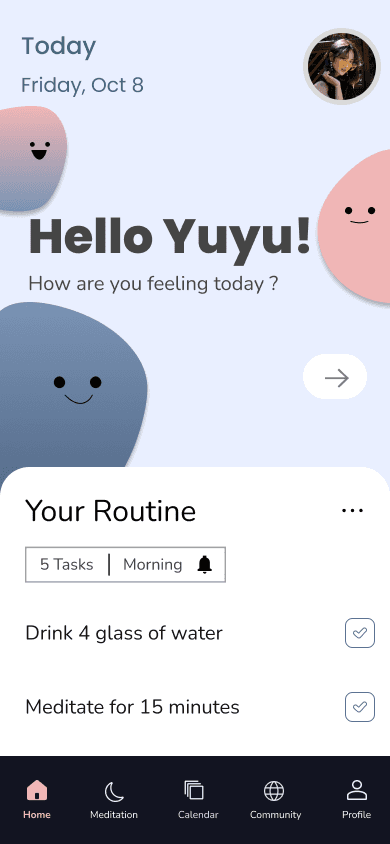
Making self care a habit with MindSpace
Mindspace is a holistic self-care platform that helps individuals care for their mental well-being while navigating the pace of modern life. It bridges the gap between motivation and consistency into one seamless experience.

The user begins the onboarding journey with a warm welcome and account creation. Users engage with a series of tailored questions based on their preferences and goals. This, in turn, will help customize their experience.
📱 Personalized Onboarding
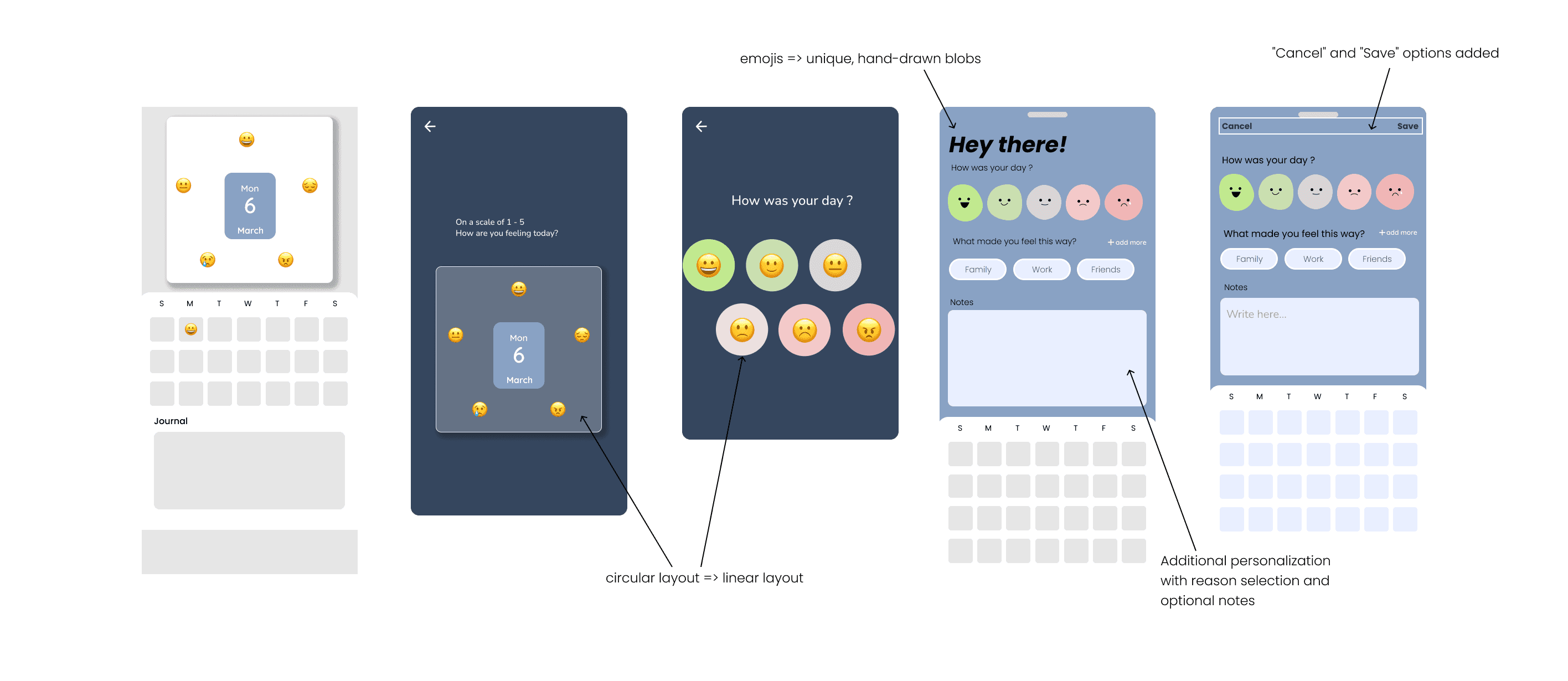
Users can choose from a set of blob characters that best represent their current feelings. Being more conscientious of their mood, users can better control their life's choices and mitigate or eliminate adverse mood causes.
😆 Mood Tracking

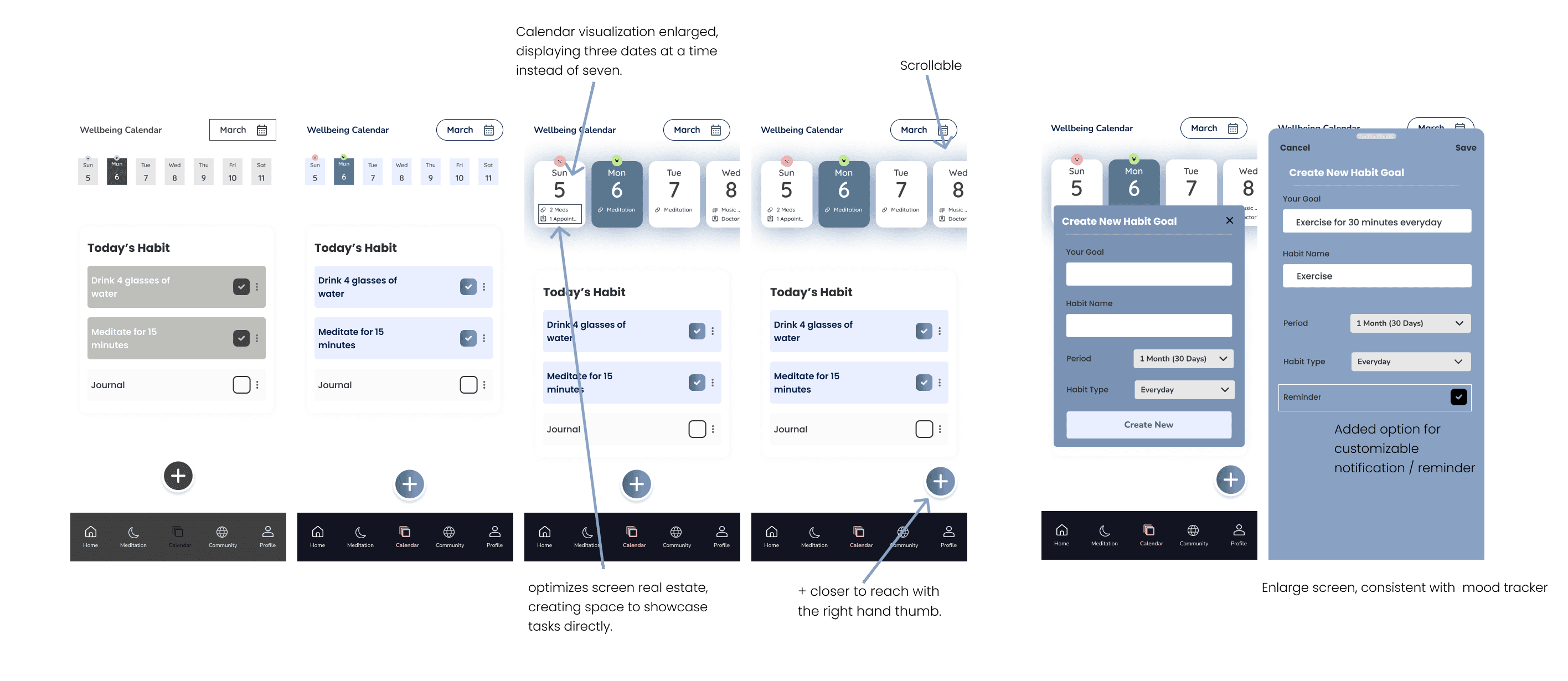
Habit tracking is seamlessly into the user's experience by allowing direct input on the home page. The visual representation of habits fosters a sense of accountability, while users can track progress over time, utilizing the calendar as a tool for reflection on their self care journey
🗓 Habit Calendar

Users can easily access a variety of guided meditation within the app after setting their self care goal. MindSpace provides personalized meditation sessions based on users' current moods for a tailored experience.
🧘🏻 Tailored Guided Meditation

To cater to specific aspects of well-being, MindSpace established distinct sub-communities, each with its unique hashtag. Users can connect with like-minded individuals and build relationship through direct and private conversations.
🙌🏻 Self Care Community
Understanding the Problem
Uncovering why self-care routines slip and what emotional or environmental factors play a role
1
Emphasize Phase
Before designing anything, I wanted to understand the “why” behind human decisions — what causes people to drift away from self-care. I explored over ten research studies and global health frameworks to learn how truly supportive care systems are built.
White Paper Research
Why do we lose motivation?
What defines quality in support?
What keeps us grounded?
How can care be made more inclusive?
How do we rebuild trust in ourselves?
Who has access to that care?
As I move toward defining the problem and exploring solutions, these values remain the foundation in the background.
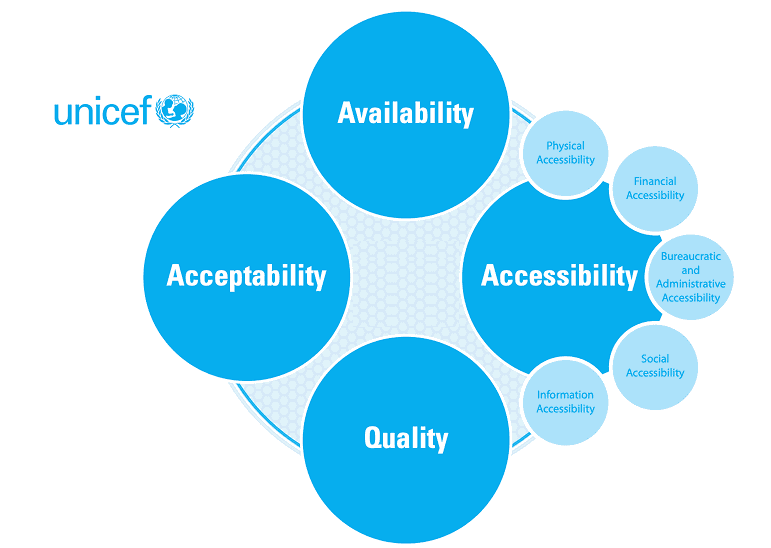
Availability- Support that’s present and reliable.
Accessibility- Inclusive and intuitive for all users.
Acceptability- Respectful, empathetic, and culturally aware.
Quality- Grounded in credible information and thoughtful design.
Availability, Accessibility, Acceptability, and Quality
Across every paper I read, the same theme echoed — good care meets people where they are.
That discovery led me to the AAAQ framework, a global model outlining four core principles that determine the value of any healthcare intervention
AAAQ Framework
Explore how digital tools can bring care closer to everyday life
WHITE PAPER RESEARCH
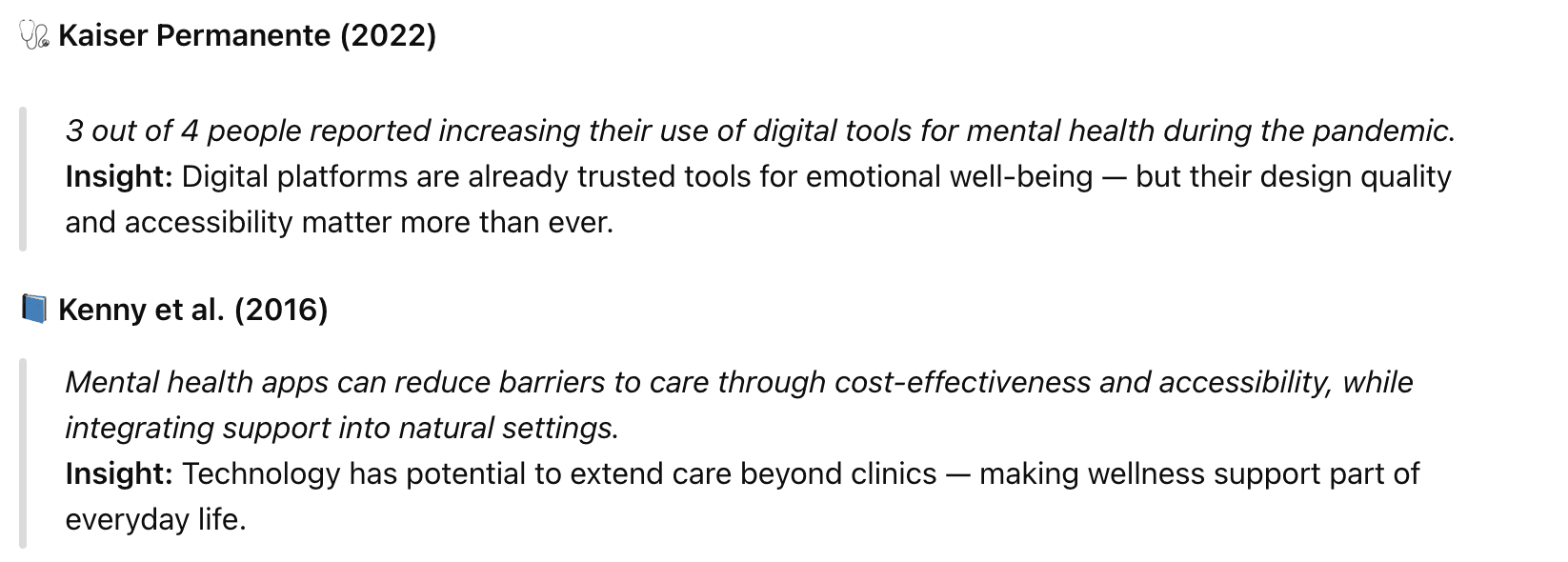
People needed tools that fit into the rhythm of daily life, not ones that demanded more structure or time. While there are many ways to approach this challenge, research revealed that a mobile platform can best meet people where they are.
Going into the research phase, I made a few leap of faith assumption that allowed me to hypothesize assumptions about the user's behavior, needs, and preferences before conducting any research.
Leap of Faith Experiment
Key Insights Derived
1. Users want to be able to create a personal self care plan
2. Users want to be able to access stress reducing activities easily
3. Users want to be held accountable
4. Users want to connect with a community of others with similar self care goals
WHITE PAPER RESEARCH
I conducted interviews and surveys with university students and recent graduates to understand their perspectives on self-care and mental health, uncover their goals, and identify key pain points in maintaining their well-being.
Quantitative surveys and qualitative interviews further identified user needs and struggles
USER RESEARCH
Correlation between Consistent Self Care Practices and Perceived well being
Participants who reported consistent engagement in self-care activities also reported higher levels of perceived well-being.
1.
Common obstacles with regular self care
For students and young professionals overwhelming workload (62%), lack of time (45%), guilt or pressure (38%), lack of support (27%), and difficulty in setting boundaries (19%) are the main obstacles that prevent them from practicing self-care regularly.
2.
Diverse App Usage Among Individual
Participants reported using a wide variety of apps for different aspects of their well-being, including meditation, fitness, and mood tracking. Out of the participants (21/40) who use self care app, 62% (12/21) utilized more than 1 app
3.
Key Insights Derieved
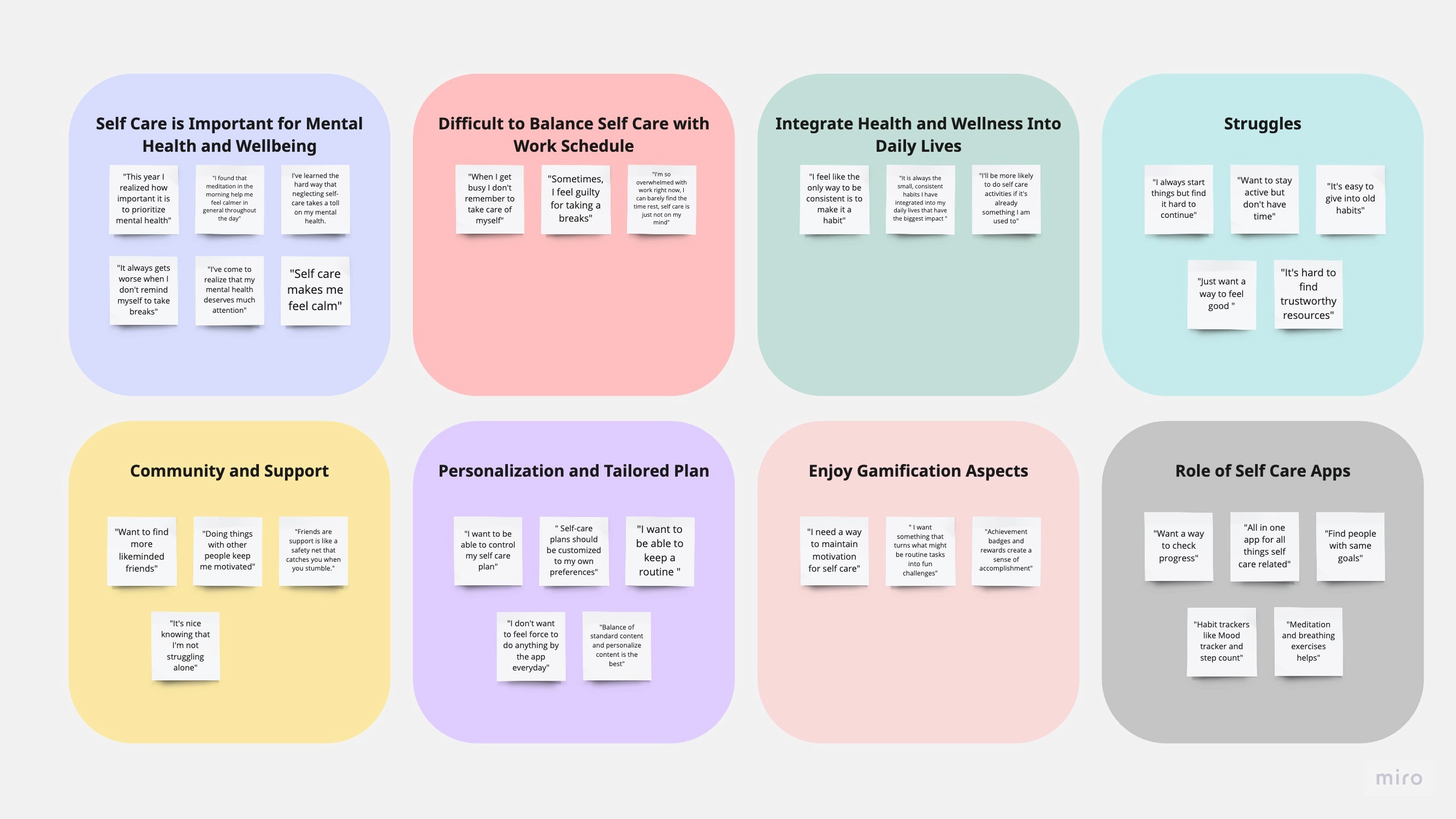
Using the information from user research, I was able to plot the data onto an affinity map and identify connections, patterns and relationships across the board.
My research lead to a few emerging patterns that guided my direction
AFFINITY MAPPING
Defining the Problem Scope
From scattered behaviors to a clear problem: why self-care fades, and where design can make it last
2
Define Phase
To ground my design in real experiences, I built personas that reflected the goals and struggles of people trying to prioritize self-care. Their stories revealed where motivation fades and what support could make well-being feel sustainable.
From the research findings, 2 users personas that embodies target audience are created
USER PERSONA
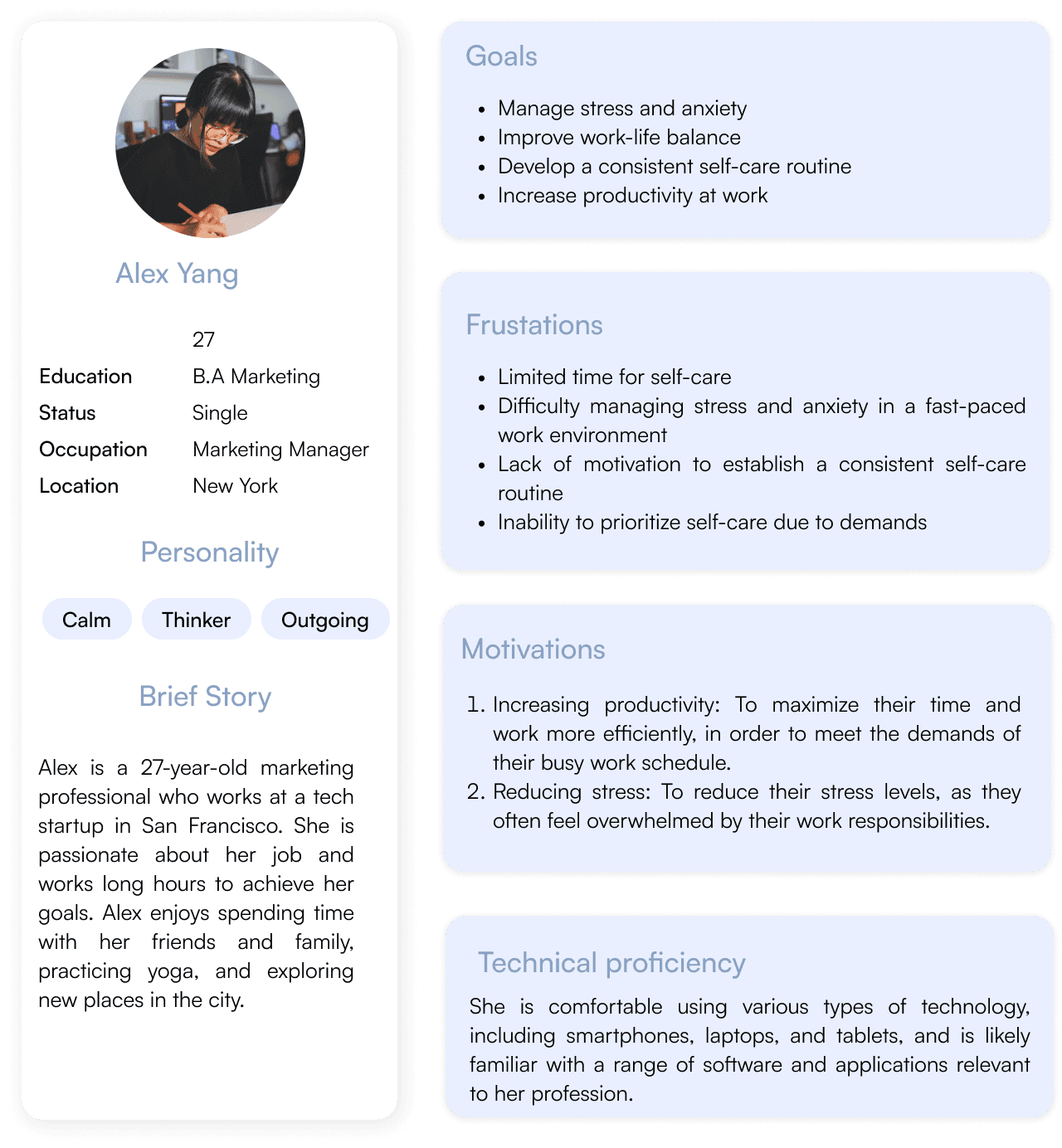
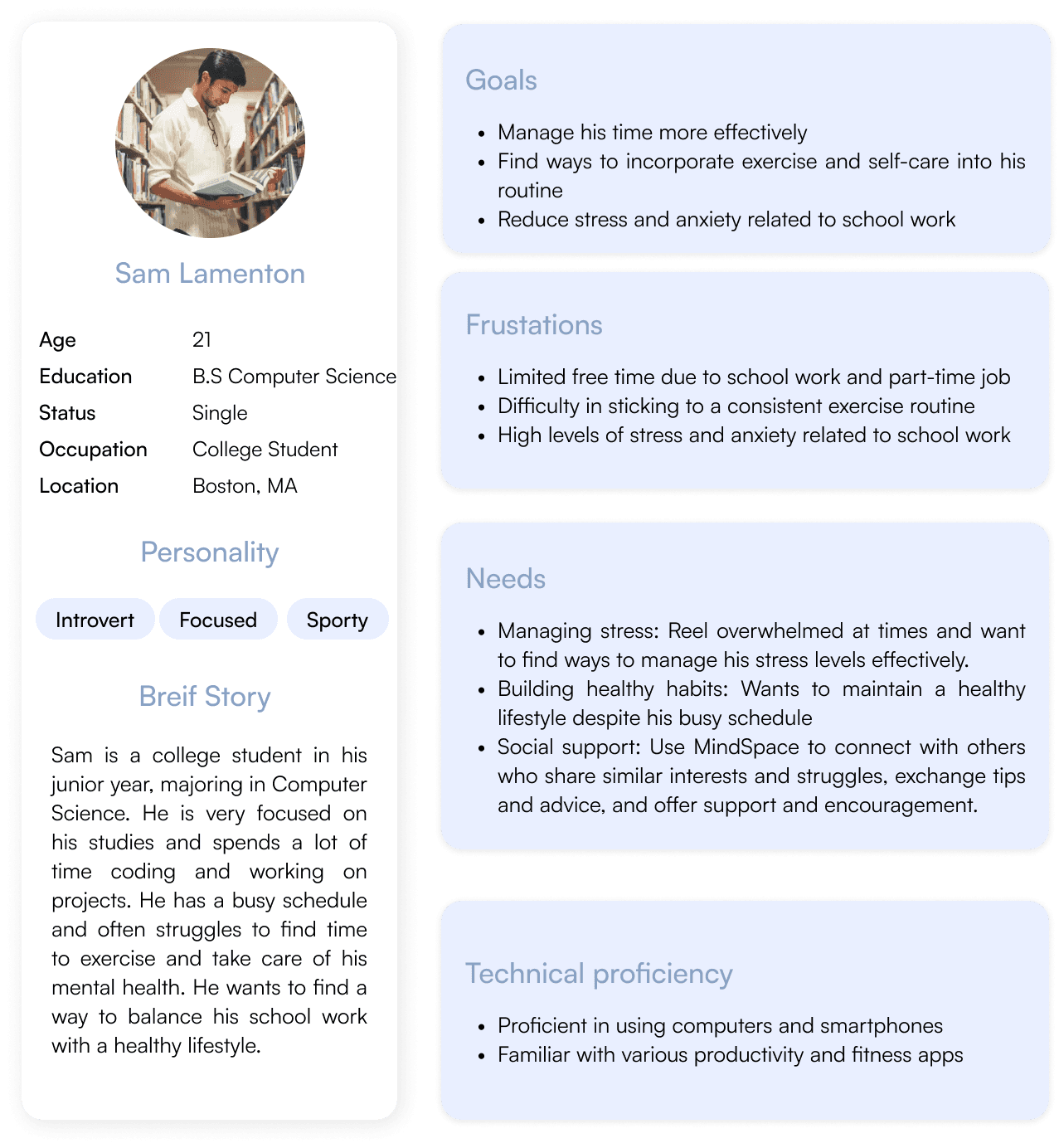
To better understand my users, I mapped their journeys — from the moment they recognized the need for self-care to months after trying to sustain it. Tracing their emotions and behaviors over time revealed a clear pattern: motivation wasn’t the issue — fragmentation was.
A visual story of the process that the user goes through in order to accomplish a goal
JOURNEY MAPPING
OPPORTUNITIES
Mood tracking function
Enable a level of customization
Clear and intuitive framework that is easy to navigate
Calendar to access data history
Data visualization to show trends and correlation
Provide meditation recommendation base on data
Add chip and tag function to categorize meditation
Connect meditation to habit tracking
Customization for setting notification
THOUGHTS
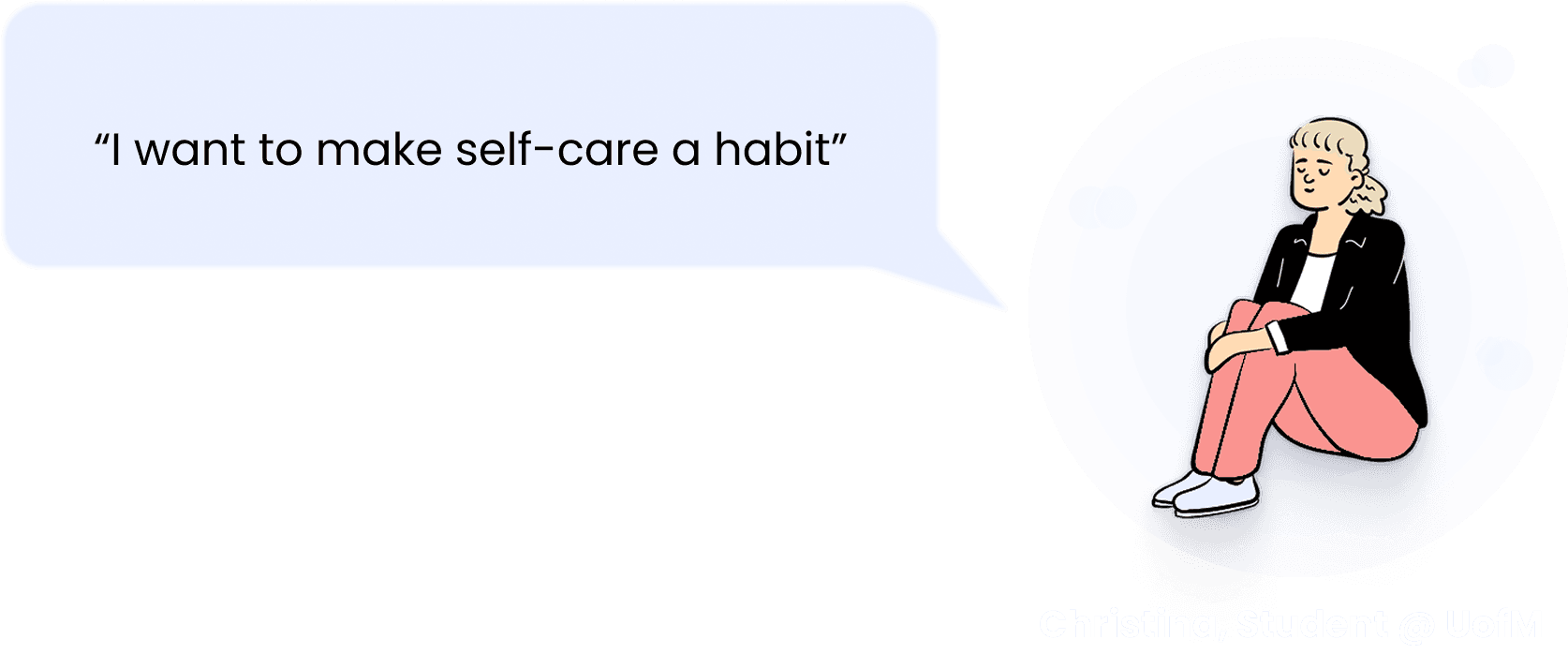
“I want to keep track of why I am feeling the way I feel”
“I want to see if there is a trend”
“I’m slowly understanding what makes me tick”
“I want to find easily accessible content such as meditation that cna help me feel better base on my current mood ”
“I want to be able to meditate as a habit so that I don’t use it as a emergency tool”
“A quick reminder would be helpful so I remember to do it daily”
DOING
Record current mood and status
Reflect condition
Describe mood, thoughts and feelings
Reflect previous data
Compare mood across days
Discover trends
Gather learning
Find suitable exercises and resources
Search for meditation base on need
Select suitable exercise and improve well being
Remember to practice
Practice meditation
Set meditation reminder as a habit
EMOTIONS
Confused
Frustrated
Reflective
Motifated
Stable



Alex Yang
Marketing Manager
Relationship, 27 years old
New York, NY
Alex has been feeling tired and unbalanced lately. The demands of her job, coupled with personal commitments, have left her struggling to find equilibrium. Recognizing the need for a positive change, Alex decides to embark on a journey to improve her overall well-being
SCENARIO
1. Reflect on her wellbeing and everyday life by recording her emotions and needs 2. Uncover behavioral patterns and better understand her emotions and needs. 3. Base on the findings, she would like to improve her well being sept by step. 4.She would like to find suitable content and support
GOALS
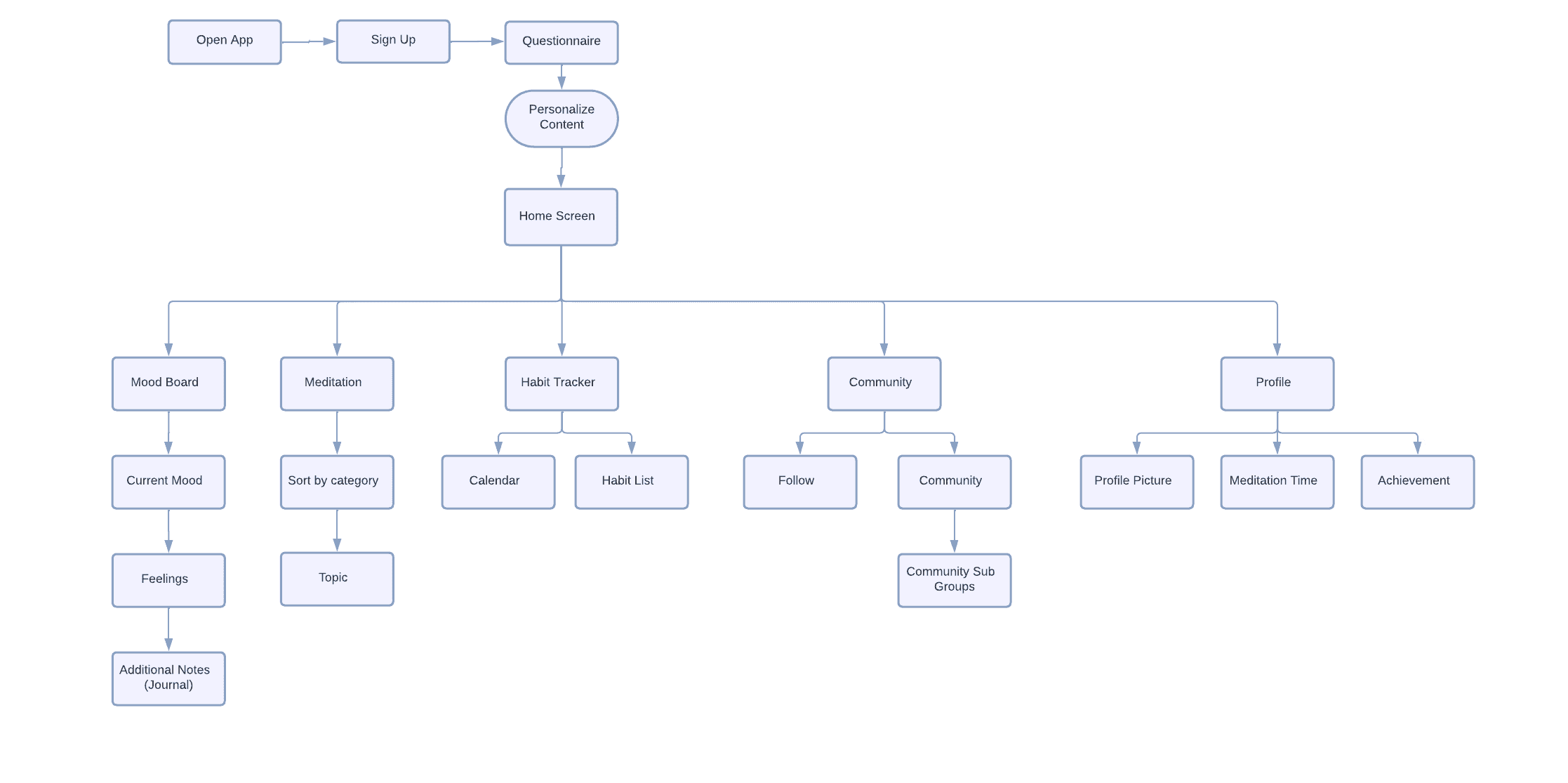
Once the key features were set, I mapped the app’s structure to see how everything connected from a user’s point of view. This step of the ideation process allowed me to better visualize which frames to create, as well as think about the different use cases I could run into.
Mapping my flows allowed me to better see my solutions
SITE MAP
Transforming Insights Into Design Solutions
Turning research findings into tangible design opportunities that promote sustainable self-care
3
Design Phase
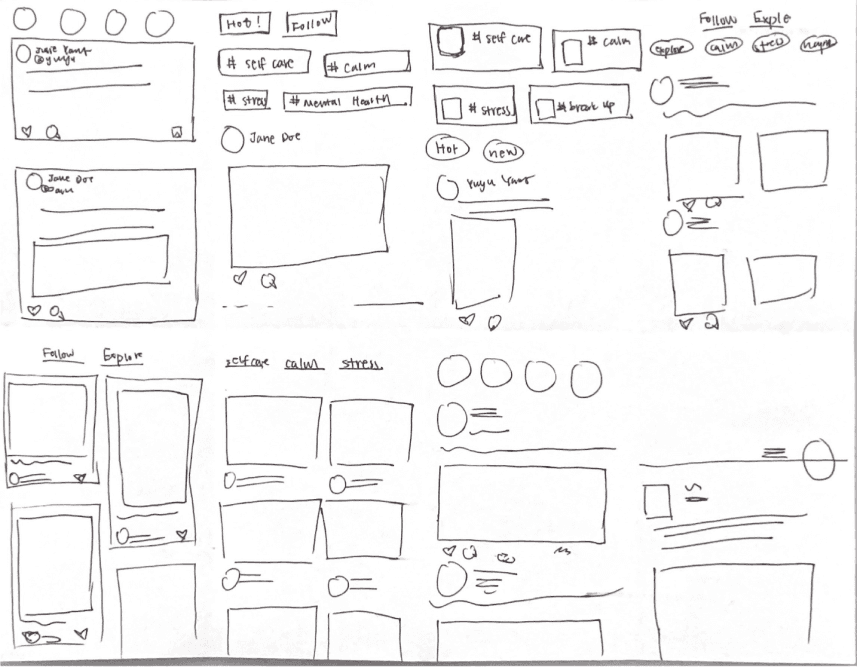
I began my design process with low-fidelity wireframes on paper to focus on the general organization , content hierarchy and primacy functionalities of the MindSpace app. As I cycled through various iterations, I kept my main goal in mind: to create a calm and seamless self-care platform that prioritizes the mental well-being of our users.
Bringing my ideas to life
LOW FIDELITY WIREFRAME
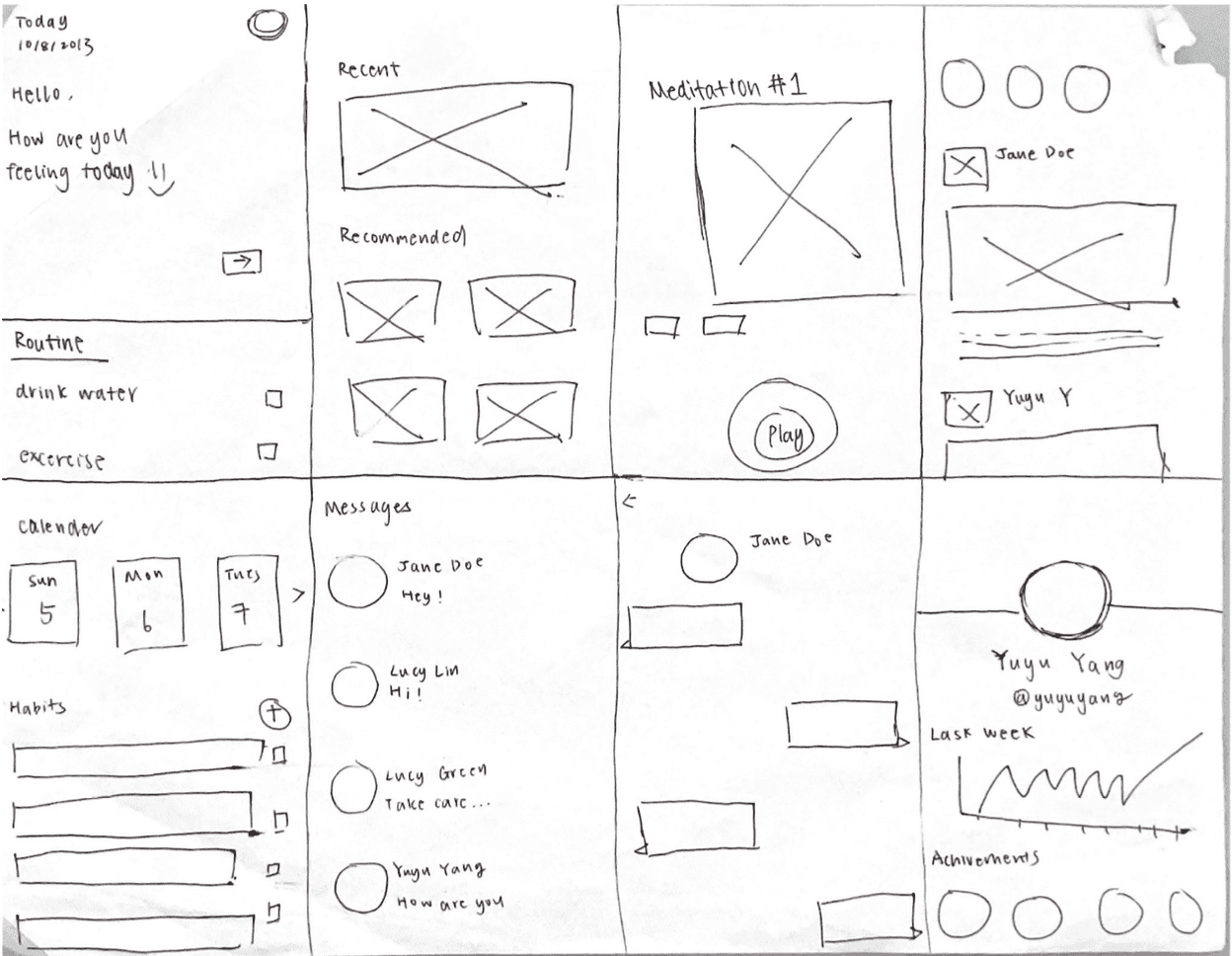
Community Page Sketches
Home Page Sketches
In order to quickly generate different layout ideas, I applied the Crazy 8 method to ideate and sketch layouts for the core pages of the MindSpace app. This approach allowed me to ideate and sketch potential layouts while focusing on refining essential core information. To visualize the app's flow, I also sketched out the general flow and navigation between key screens.
Crazy 8
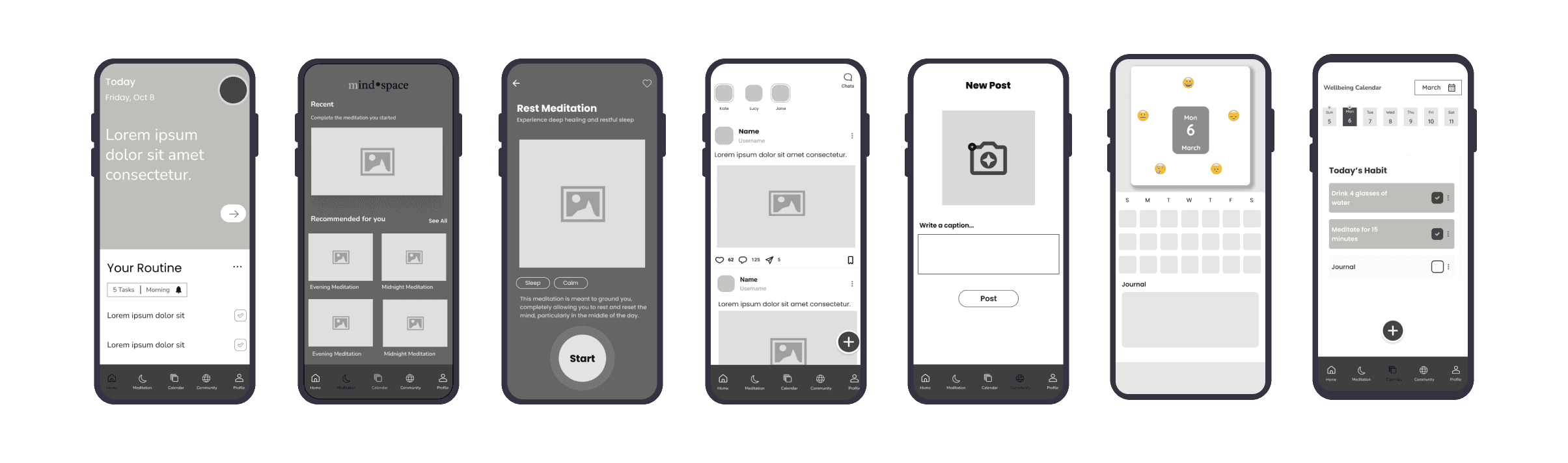
After completing the low-fidelity sketches, I transitioned to mid-fidelity wireframing on Figma. At this stage, I still only focused on establishing the essential structure and navigation without delving into the finer details of visual design.
Digitizing paper wireframes
MID FIDELITY WIREFRAME
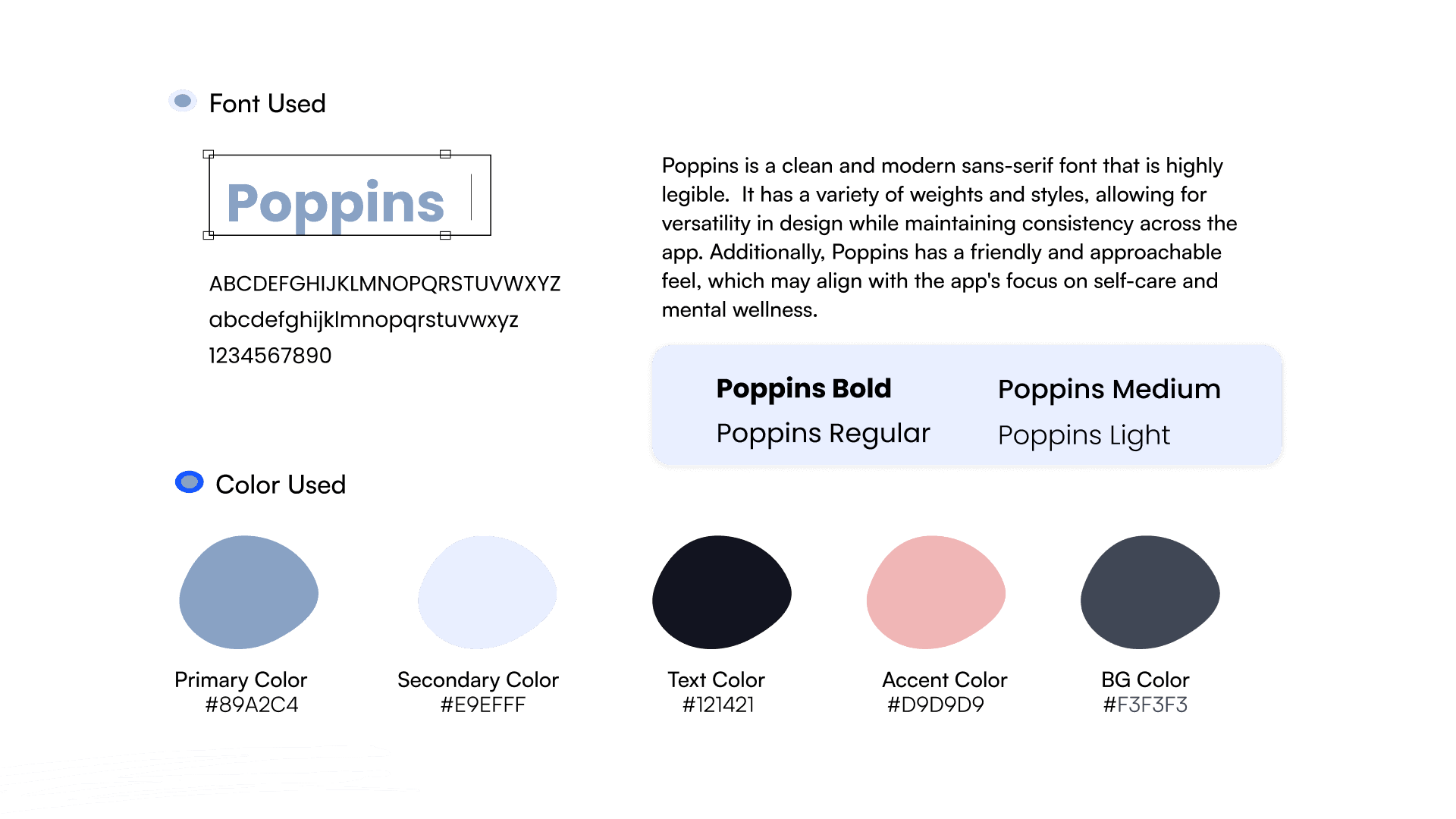
I chose purple as the primary color because it is associated with healing, balance, and a quiet strength. It plays to our emotion by setting a tone that feels both soothing and empowering for users.
I focused on comforting ambiance, fostering emotional wellness and a positive user connection
COLOR & TYPOGRAPHY
Validating the Solution
Refining the design through feedback, iteration, and observation.
4
Testing Phase
After the design of the final prototype, we design a usability test that was performed during class next time using other classmates as test participants. The purpose of this test is to evaluate the clarity and effectiveness of the navigation system in the app, and to identify any pain points or confusion that users may experience when trying to find and access certain features or functions.
Time to Put It to the Test: Getting Qualitative User Feedback
USABILITY TESTING
Key Insights Derived
Users found the navigation flow to be intuitive, with a clear and logical progression through different sections of the app. This suggests that the design effectively guides users to navigate without confusion.
1.
Users provided feedback on the layout and organization of the app. For example, users suggested reorganizing certain features to make them more easily accessible and grouping related features together.
3.
Some users suggested minor adjustments to labeling in certain sections. This insight highlights the importance of refining language choices to ensure universal understanding and reduce any potential ambiguity.
2.
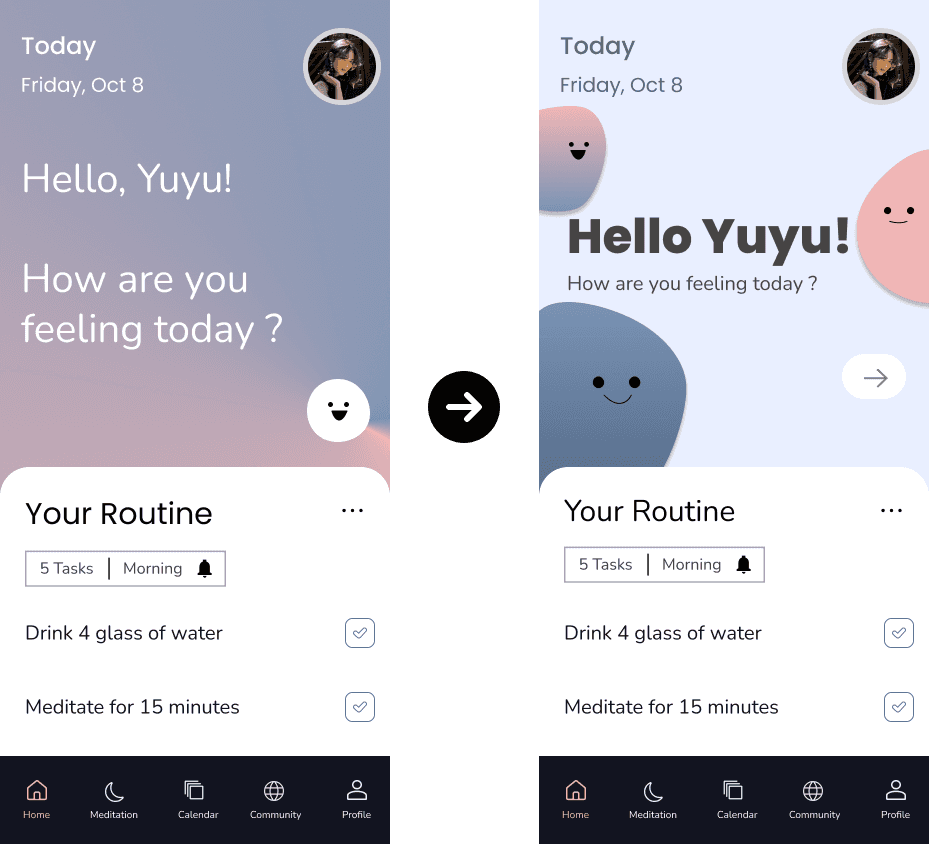
Major Design Changes
Remove purple/pink gradient to increase readability and better adherence to WCAG standard
Built from white to maintain clean aesthetic
#1 Gradient -> Flat UI
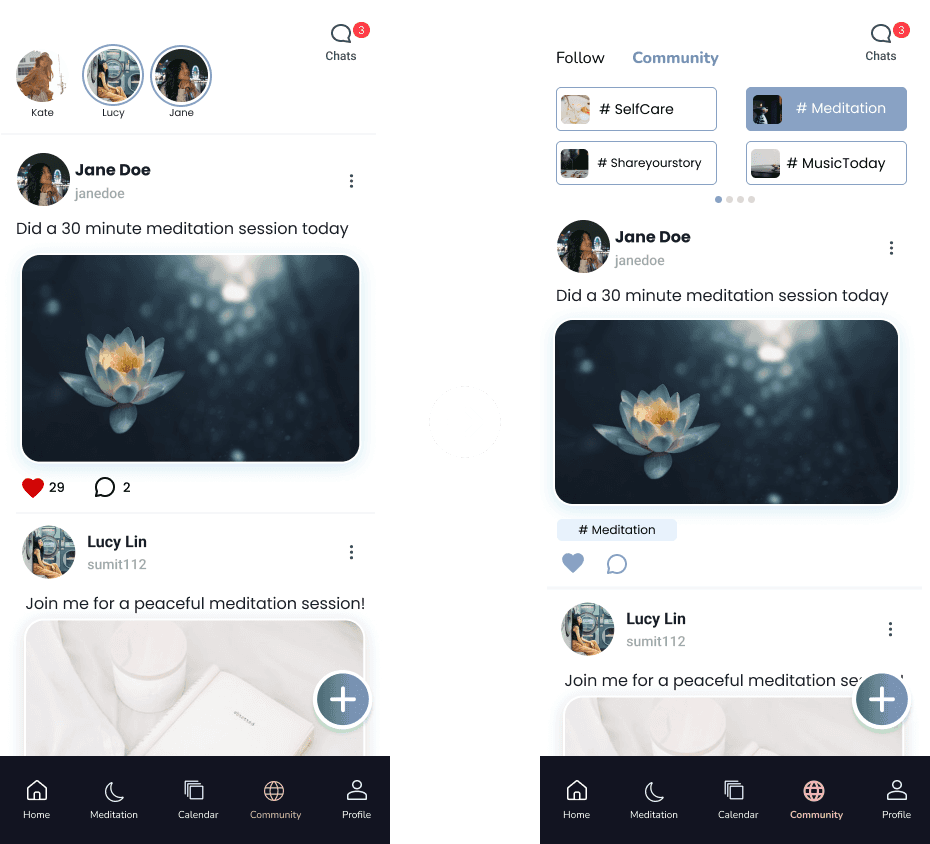
Delete Aspect of Social Comparison
Avoid displaying metrics, rankings, or any other features that could encourage direct comparisons between users.
Additional Function: Sub Communities
Ensures that every user finds a supportive space aligned with their individual journey
#2 Community Page Iteration
#3 Mood Tracker Iteration
#4 Habit Tracker Iteration
Reflection
Design as a Continuous Journey
3.
There is no “final” design. Each solution naturally leads to new insights and fresh challenges. Design is a living process — always growing, always adapting, always open to discovery.
Iteration is Not Linear
2.
Design doesn’t follow a straight line. It’s an ongoing cycle of exploring, refining, and reimagining. Each iteration builds on the last, helping uncover nuances that a single pass could never reveal.
Fail Fast, Learn Faster
1.
Testing early isn’t about getting everything right the first time — it’s about uncovering what doesn’t work quickly so you can learn, adapt, and move forward with stronger ideas. Every “failure” becomes a stepping stone toward a more thoughtful solution.
Final Prototype